Safeguarding Endangered Aquatic Species and Their Habitats
The goal of this multi-year project in Newfoundland and Labrador is to reduce threats to threatened or endangered aquatic species including the leatherback sea turtle, North Atlantic right whale, beluga whale, blue whale, and three species of wolffish. Priority threats caused by fishing interactions are entanglement with gear, ingestion of plastics, and, in the case of wolffish, by-catch mortality. Many other aquatic species benefit from the project’s varied conservation strategies, including Atlantic salmon.

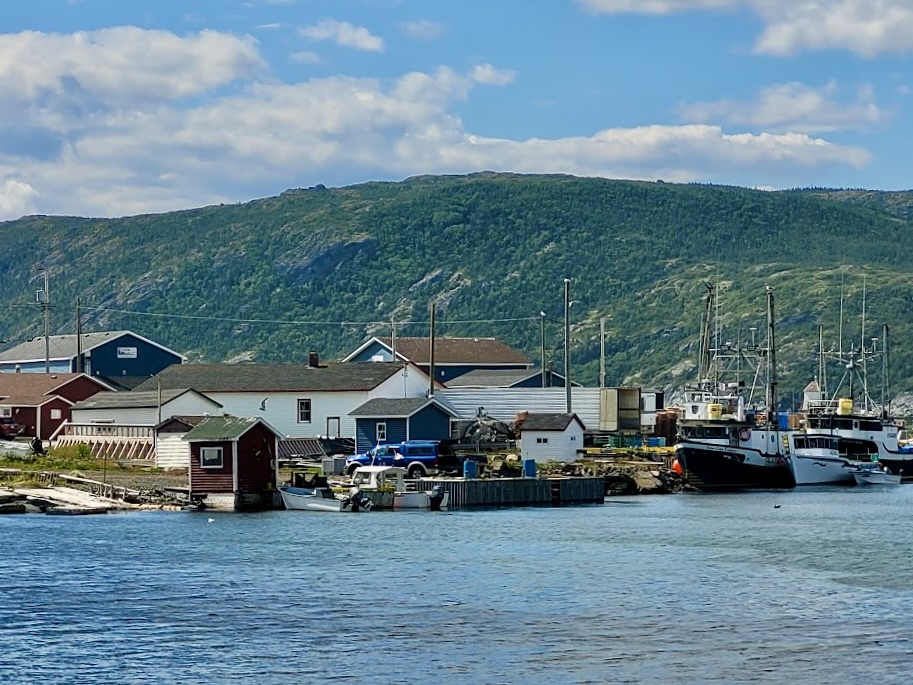
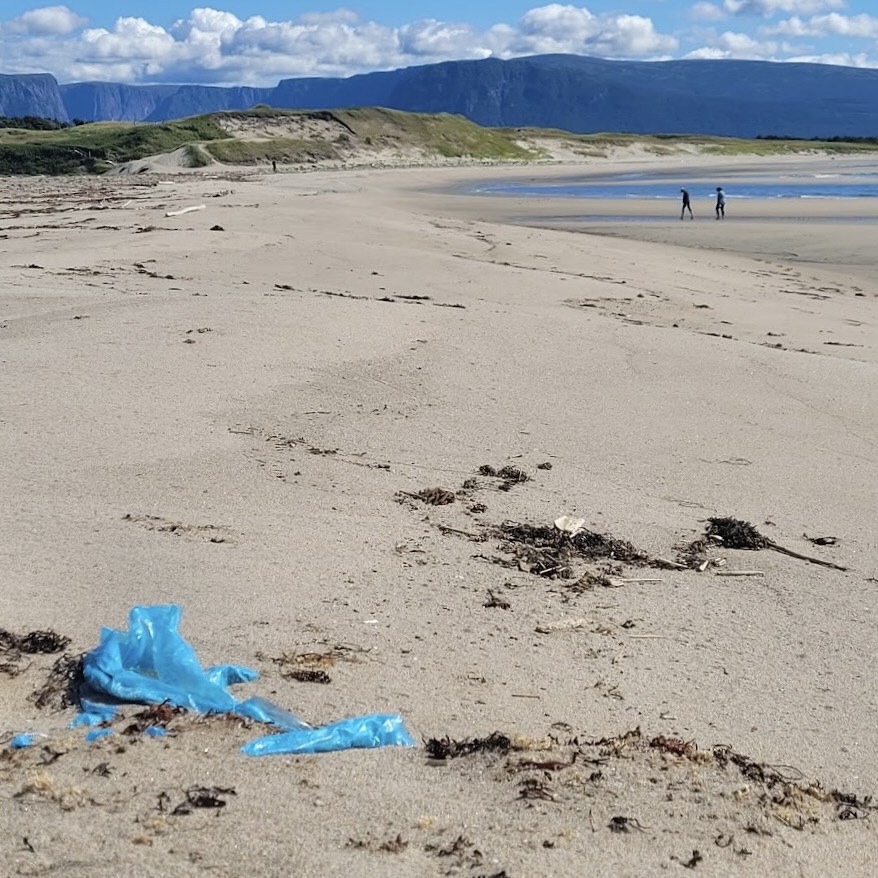
Project staff engage hundreds of commercial harvesters from small-boat fisheries in dockside dialogue at ports across the province. They encourage harvesters to release wolffish live, avoid entanglements, and report sightings of at-risk species. They also work with harbor authorities to organize the collection and disposal of plastic bait box liners that were previously discarded at sea, where they pose a lethal threat to aquatic species. The project is best known for this work. There are currently 33 harbors enrolled in these measures, and the number is growing each month. As a result of the project, more than 250,000 plastic bait box liners have been returned to shore.
For approximately 30 of those years, Helen and her project partners received funding in the form of research grants from the QLF-administered Sounds Conservancy. The funding supported extension of her research to Argentina. The longitudinal study of the migratory patterns of terns banded on Great Gull Island and annually migrate to South America is deemed critical to the protection of the colony’s nesting grounds and overall restoration of the species.
Safeguarding Endangered Aquatic Species and Their Habitats
The goal of this multi-year project in Newfoundland and Labrador is to reduce threats to threatened or endangered aquatic species including the leatherback sea turtle, North Atlantic right whale, beluga whale, blue whale, and three species of wolffish. Priority threats caused by fishing interactions are entanglement with gear, ingestion of plastics, and, in the case of wolffish, by-catch mortality. Many other aquatic species benefit from the project’s varied conservation strategies, including Atlantic salmon.
Project staff engage hundreds of commercial harvesters from small-boat fisheries in dockside dialogue at ports across the province. They encourage harvesters to release wolffish live, avoid entanglements, and report sightings of at-risk species. They also work with harbor authorities to organize the collection and disposal of plastic bait box liners that were previously discarded at sea, where they pose a lethal threat to aquatic species. The project is best known for this work. There are currently 33 harbors enrolled in these measures, and the number is growing each month. As a result of the project, more than 250,000 plastic bait box liners have been returned to shore.
For approximately 30 of those years, Helen and her project partners received funding in the form of research grants from the QLF-administered Sounds Conservancy. The funding supported extension of her research to Argentina. The longitudinal study of the migratory patterns of terns banded on Great Gull Island and annually migrate to South America is deemed critical to the protection of the colony’s nesting grounds and overall restoration of the species.