
Bird Surveys: The Leach’s Storm-Petrel
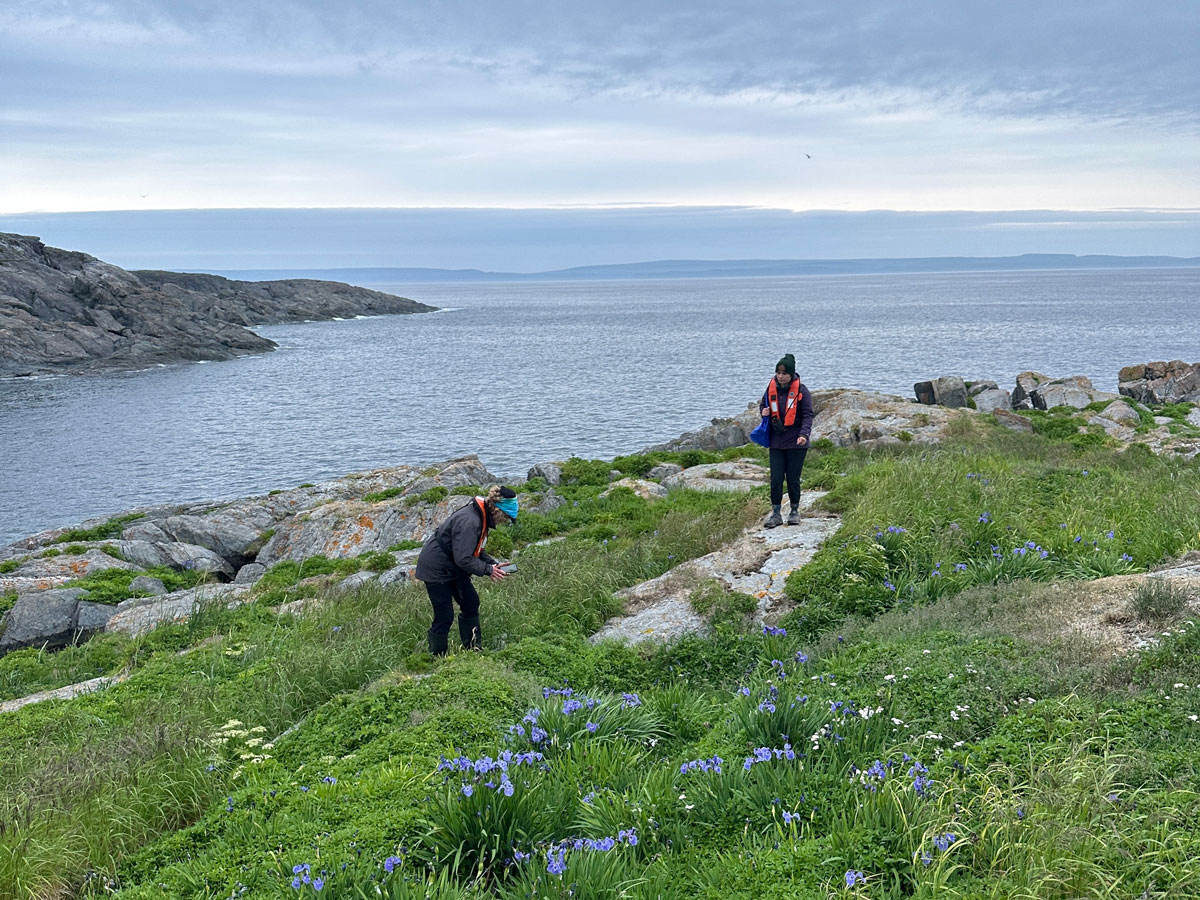
In early September Kathleen Blanchard and a team from Intervale traveled by boat to three islands in Hare Bay on the Great Northern Peninsula of Newfoundland to retrieve autonomous recording units, known as ARUs, that she and others had placed there back in July. Let’s look back at why they were installed and what QLF and Intervale were hoping to learn.
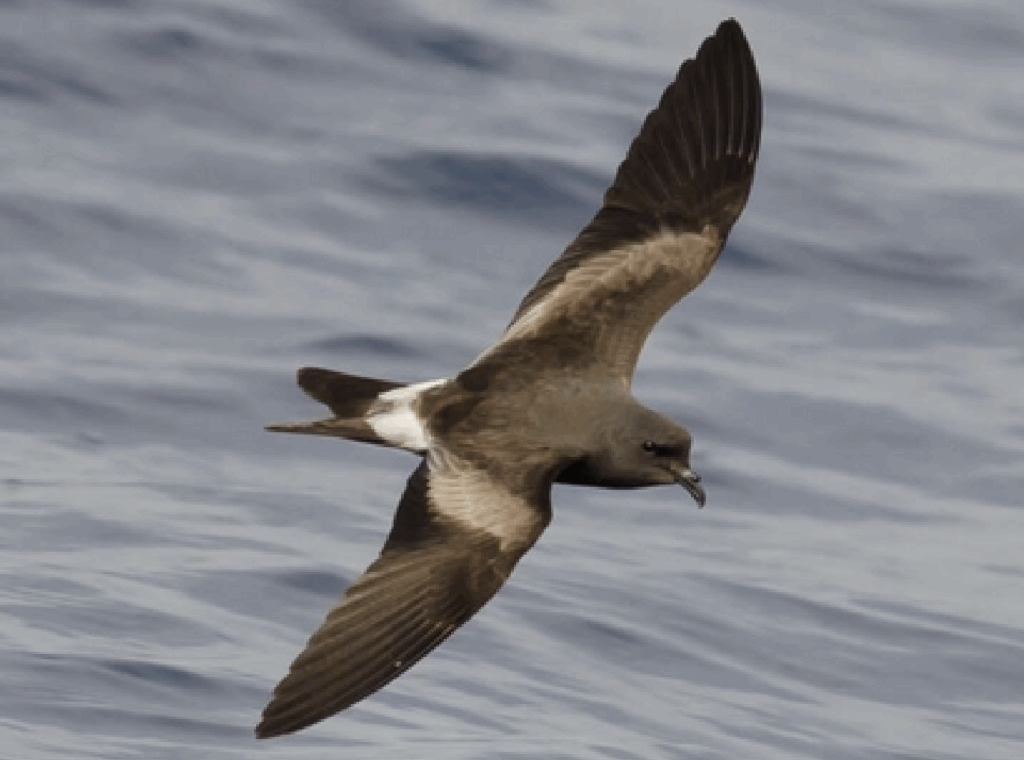
The Leach’s Storm-Petrel was once thought to be one of the world’s most abundant birds. Starting in the 1980s, the Atlantic populations of this small seabird went into severe decline. In 2020, it was listed by the Canadian government as a Threatened species. Since then, federal and provincial wildlife agencies along with conservation organizations have monitored their numbers and reduced threats to them caused by light pollution, contaminants, plastics, and other effects of human activity.
The Leach’s Storm-Petrel nests underground on offshore islands. They utter two distinctive calls that are recognizable to seabird biologists: a chatter call by both males and females in flight over a breeding colony, and a purr call from inside the burrow. But the calls are uttered in the darkness of night, making it impractical to survey for petrels by day.
Autonomous recording devices, or ARUs, are popular tools for gathering large data sets without the need for human presence, as recordings can confirm the target species. A Leach’s StormPetrel purring call would suggest that there’s a good chance the bird is underground; multiple purring calls could suggest breeding.
In July, Dr. Kathleen Blanchard with assistance from Elli Gurguliatos (QLF), Sophie Anderson, and Clarence Goodyear journeyed to three islands in Hare Bay that had been chosen by Kath and that were also ones identified by the provincial Natural Areas Program for consideration in the expansion of the Hare Bay Islands Ecological Reserve. Seas were a bit rough when they landed at the outermost of the three islands, but with the expert mariner support of Justin Boyd, they managed to get on and off safely.
They had great hopes for one of the islands, since work in previous years had produced some promising results: a dead Leach’s Storm-Petrel found on the island and a single chatter call near that same location! Results of the 2025 data analysis will not be known for several weeks to come, so stayed tuned for an update soon.